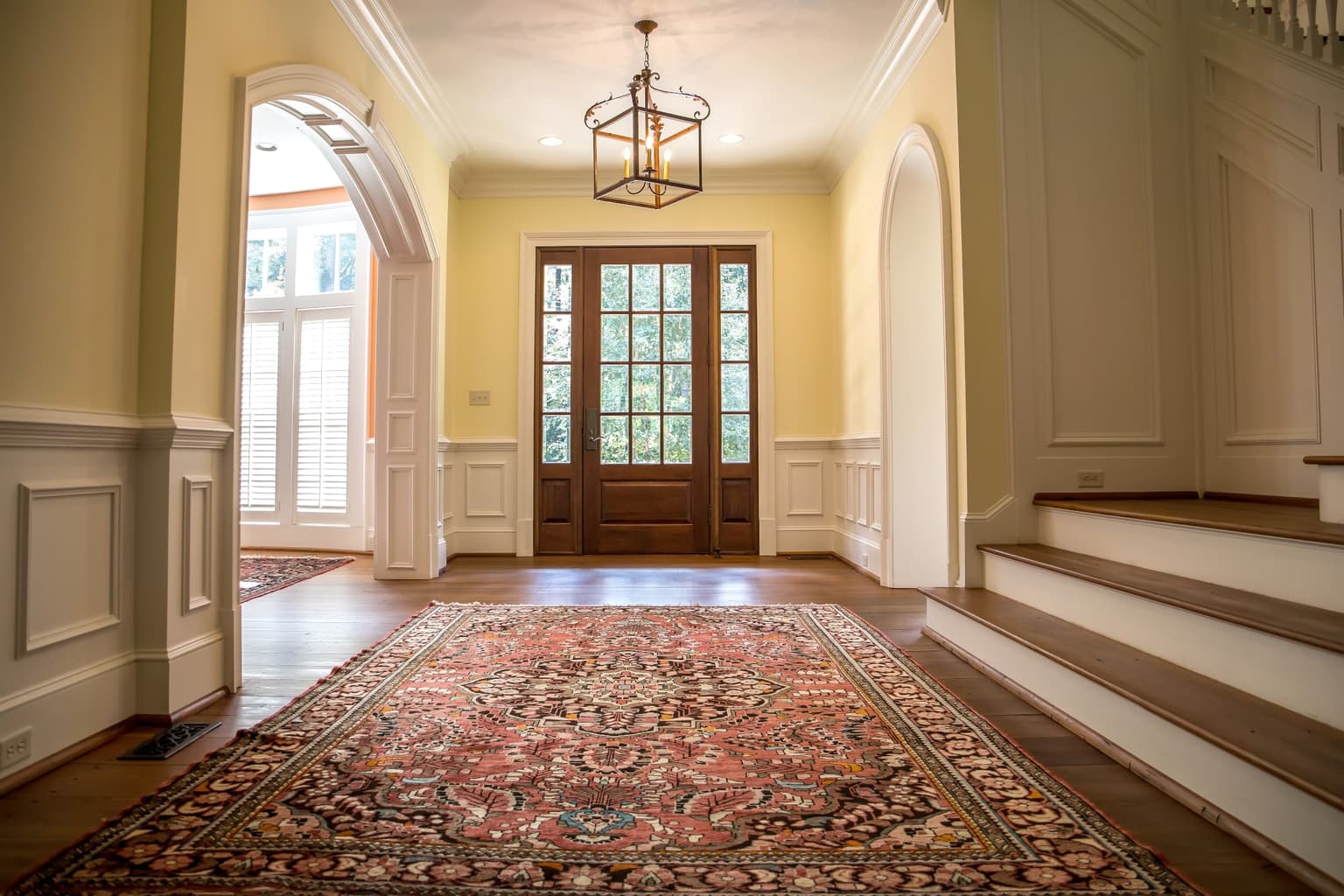
When a family owns an Oriental rug, it's usually the oldest thing in the room and often the one with the most story behind it. Some came home from a trip taken years ago. Some were passed down, the kind of piece that's been under a couple of generations of dining tables and outlasted everyone who once sat around it. The hard part is that one bad cleaning can undo all of that in a single afternoon, running the dyes, shrinking the wool, or weakening the foundation the whole rug depends on. Safe-Dry® Carpet Cleaning of Pleasant View cleans Oriental rugs with a carbonating, low-moisture process that lifts deep soil and odor while leaving the color, the hand, and the structure right where they belong.
We've worked with delicate textiles for over thirty years, and this method was built for exactly this kind of rug. No flood of water to chase the dyes. No detergent to lock residue into a natural fiber. No heat to shrink wool or stress silk.
An antique vegetable-dye rug isn't a store-bought one
It all begins with reading the rug, because a wrong assumption here is exactly what destroys heirlooms. We identify the fiber first, wool, silk, cotton, or a blend, then the construction, hand-knotted, hand-tufted, or machine-made. The dye gets the closest scrutiny of all. Natural vegetable dyes shift far more readily than modern synthetics, so an old piece colored with indigo and madder gets treated nothing like a rug that rolled off a showroom floor last year. We run a colorfastness test somewhere out of view, and if it comes back unstable, we rework the approach before we commit to anything.
Dry comes next, and it does more good than any other step. A rug that's been underfoot a year or two can hold pounds of fine soil packed into the base of the pile, far deeper than a vacuum ever reaches. Professional dusting equipment shakes that debris free and draws it out before any moisture touches the rug. This one step alone prevents most of the abrasive wear that builds up across the decades, and on a rug meant to outlive its owner, that's the difference that matters.
Cleaning it without risking it
With the dry soil out, visible stains, worn traffic lanes, and pet spots get treated one by one with hypoallergenic pre-treatments made for natural fiber. Areas with pet odor get enzyme formulas that pull the organic contamination apart at the source instead of masking it.
The carbonating clean carries the main lift, lifting soil off the fiber with no soap and no detergent left behind, on roughly a tenth of the water steam cleaning would need. On wool, silk, and natural-dye rugs, keeping the moisture that low is the line between a good cleaning and a ruined heirloom. A gentle, wool-safe rinse clears the last of the loosened impurities, strong extraction draws the moisture back out fast, and that's why the dry times stay short and the mold risk stays near zero. If you'd like, we can apply a fiber protector that defends against future staining without altering how the rug feels or looks, then we groom the pile so it lies even and true. Last, we go over the finished rug with you side by side.
Why these rugs ask for special care
A well-made Oriental rug can outlast the people who bought it, but only with care along the way. Airborne dust, dander, and the heavy spring pollen drifting across Cheatham County settle into the pile day after day. Foot traffic drives it deeper into the wool, and over months and years that buried grit fades the colors and saws at the fibers from within. A proper cleaning draws that material out before the damage shows and turns permanent.
There's a health angle, too. Rugs filter the air on their own, holding onto allergens that would otherwise float through the room, and once a rug is full it starts handing those particles back with every step. In a home where someone deals with allergies or asthma, a neglected rug quietly undercuts the air quality you're working to protect.
The method guards the rug as it cleans. Minimal water means no shrinking. No detergent means no color bleed and no film lying in wait for the next round of soil. No harsh chemistry means the wool and silk keep their strength and softness for years.
Why families around here trust us with them
Our technicians are certified, insured, background-checked, and trained specifically on delicate natural-fiber textiles, and they carry wool-safe approved products to every job. People around Pleasant View hand us rugs that hold both real money and real sentiment because the method leads with gentleness. A 100% satisfaction guarantee backs every job.
No soap residue in the fiber means the rug doesn't draw new dirt, so it stays fresh up to four times longer between cleanings. Low-moisture carbonation dries up to eight times faster than hot-water methods, so an in-home cleaning is usually ready to use within the hour.
We serve Pleasant View, Ashland City, Coopertown, Joelton, Ridgetop, and Cedar Hill. If you're also weighing carpet cleaning or upholstery cleaning, we can fold it into the same visit.
Frequently asked questions
Is this really safe for wool and silk? Yes. Our solutions are non-toxic, hypoallergenic, and free of soaps and harsh chemicals, and the low-moisture carbonated method was developed for natural fiber specifically. We test colorfastness first and rinse with wool-safe approved formulas.
Are the colors going to bleed? We test for colorfastness before we begin, and the low-moisture process plus the absence of detergent keeps dye migration to a minimum. If the test shows unstable dyes, we adjust the method or move the rug where we have tighter control.
Why not just rent a steam cleaner and do it myself? Steam cleaning forces a lot of hot water and detergent into the rug, which can bleed natural dyes, shrink a wool foundation, and leave residue that pulls in dirt. The risk to a real Oriental piece is rarely worth the savings. We use a fraction of the water and no soap at all.
Will you get out old pet stains and odors? Yes. Our enzyme and oxidizer treatments hit organic contamination at the source, and for urine that's reached the backing, subsurface extraction draws it out from below. Everything we use is safe for natural fiber and dye.
How often should an Oriental rug be cleaned? Every twelve to eighteen months for most homes. With pets or kids, every six to nine. Steady maintenance keeps the color vivid and stops allergens from building up deep in the pile.
How long does the rug take? In-home service runs one to two hours depending on size and soil, and the rug dries in about an hour after. Pieces that need deeper plant processing or repair generally run two to five business days.
Book your oriental rug cleaning
Call 629-210-1218 or request a quote online. We serve Pleasant View, Ashland City, Coopertown, Joelton, Ridgetop, Cedar Hill, and the surrounding Cheatham County area. Not sure whether your rug needs in-home or in-plant service? Describe it when you call and we'll recommend the best route. See the coupons page for current offers.